
G+D Netcetera's brIDge Named Gold Winner in Juniper Research's Best Digital Identity Platform Category
Recognition for brIDge comes as financial institutions move from digital identity planning to implementation.

eIDAS 2.0 and the EUDI Wallet establish a common framework for trusted digital identity across Europe. For regulated organisations, the question is no longer whether wallet-based identity matters, but how to integrate it without creating another silo.
Wallets, credential formats, trust rules and backend systems will continue to evolve. Managing each connection separately increases cost and complexity. A shared identity layer keeps the customer journey stable while the ecosystem changes behind it.
Use compliance as the entry point, then extend the same platform into faster onboarding, passwordless login, credential verification and issuance, signing, payments and new digital services - without rebuilding the identity stack for every use case.

Verify customer identities, PIDs and electronic attestations without building and maintaining separate integrations for each ecosystem.
The abstraction layer handles wallet and protocol complexity so your customer journey can stay consistent as the market evolves. Connecting once also makes you compliant: brIDge helps you fulfil the eIDAS 2.0 mandate to accept the EU Digital Identity Wallet.

Turn your own business data into reusable verifiable credentials.
With the mySSI issuing capabilities, organisations can issue proprietary attestations into existing EUDI, SWIYU and other supported wallets at scale - from income and entitlement information to membership, account-holder or payment-related credentials.

Bring wallet capabilities into your own app and brand experience.
Customers can store, manage and present credentials without being pushed into a disconnected journey. Use embedded wallet capabilities to protect app relevance, create new digital services and combine trusted identity with the channels your customers already use.

Operate the identity ecosystem from one suite.
Configure trust rules and credential schemas, manage relying-party policies, orchestrate multi-step journeys, connect credential events to backend systems and monitor operations through dashboards, SLA monitoring and audit logs. The result is governance and execution in one operational layer.
Reduce friction in regulated journeys with wallet-based KYC and PID verification, secure login and SCA, verified income or creditworthiness credentials, payment authorisation and Qualified Electronic Signatures - all connected to the same identity layer.

Verify customer identities for loyalty programmes, age-restricted purchases and returns. Reusable, wallet-based credentials speed up checkout, reduce fraud and let retailers offer trusted, personalised experiences across in-store and online channels.

Verify identities and attributes for account opening, subscriptions, licences, eligibility and access. Reusable credentials reduce document handling and can make recurring customer interactions faster and more consistent across channels.

Create trusted identities for customers, employees, organisations and devices. Use verified attributes for onboarding, access, entitlements and approvals, while integrating identity events into existing IAM, CIAM and operational workflows.


Verify identity, attributes and trusted customer information from supported wallets to streamline onboarding, KYC, proof sharing and data updates—without relying on manual document uploads or repeated checks.

Use wallet-based or bank-issued credentials for strong, passwordless authentication and secure authorisation of payments, transfers and card transactions wherever higher assurance is required.

Turn trusted business data into reusable credentials that customers can store in supported wallets, and enable Qualified Electronic Signatures backed by verified identity for legally binding digital journeys.




EUDI Wallet implementations and supporting standards continue to mature while large-scale pilots validate real use cases.
This is the window to prioritise use cases, decide where identity belongs in your architecture and prepare systems for wallet-based verification and credentials - before acceptance turns into a delivery deadline.
Under the European Digital Identity framework, each EU Member State is expected to provide at least one EUDI Wallet by the end of 2026.
That changes wallet-based identity from a pilot topic into a customer-facing channel. Organisations should be ready to recognise trusted wallets, process the data they present and connect those interactions to existing services.
For many regulated private relying parties that are required to use strong user authentication, EUDI Wallet acceptance obligations follow within 36 months of the relevant implementing acts and upon the user's voluntary request.
The exact impact depends on sector and use case. The practical goal is a reusable identity capability, not a deadline-only connector.
The EUDI Wallet is the European framework for citizens and businesses to hold and present verified identity data and digital credentials. eIDAS 2.0 creates the legal and technical foundation for interoperable wallets across the EU. For organisations, this means new ways to verify identity and attributes, support authentication and signatures, and exchange trusted credentials. The challenge is not simply accepting a wallet - it is integrating this new trust layer into existing customer journeys and systems.
Preparation should start before wallet usage becomes a customer expectation or a regulatory delivery deadline. EU Member States are expected to make at least one EUDI Wallet available by the end of 2026, while acceptance obligations for certain regulated relying parties follow under the eIDAS framework. Starting now gives teams time to prioritise use cases, align compliance, product and IT, validate the architecture and test real journeys without turning the programme into a last-minute point integration.
G+D Netcetera brIDge acts as an API hub between your backend systems and digital identity wallets. Instead of building separate integrations for each wallet or ecosystem, your applications integrate once with brIDge. The platform handles the wallet-facing protocols and verification flow behind that interface. This reduces integration effort and gives you a stable foundation for EUDI Wallets, SWIYU and other supported identity wallets as the ecosystem evolves.
Yes. The platform is designed for both sides of the credential exchange. With brIDge, you can verify person identification data and electronic attestations presented from supported wallets. With mySSI issuing capabilities, you can turn your own trusted business data into verifiable credentials and issue them into supported wallets at scale. That means the same identity foundation can support onboarding and verification today, then expand into reusable credentials and new digital services.
Yes. G+D Netcetera Identity can embed wallet capabilities natively into an existing app so customers can store, manage and present credentials within your brand experience. This is valuable when you want to keep the customer relationship in your own channel rather than redirecting users into separate identity journeys. Embedded capabilities can be combined with credential issuance, verification and existing authentication or payment services to create consistent end-to-end experiences.
Because the requirement is broader than connecting to a single wallet. G+D Netcetera combines an API hub for verification, credential issuance, embedded wallet capabilities and an operations layer for governance, orchestration, monitoring and backend integration. The platform is backed by decades of experience in secure, regulated software, deep payments expertise and active involvement in European identity pilots and industry standards. You can meet near-term EUDI needs without creating another isolated point solution.
Add phishing-resistant authentication to customer journeys with or without a wallet, and combine it with broader identity and access flows.
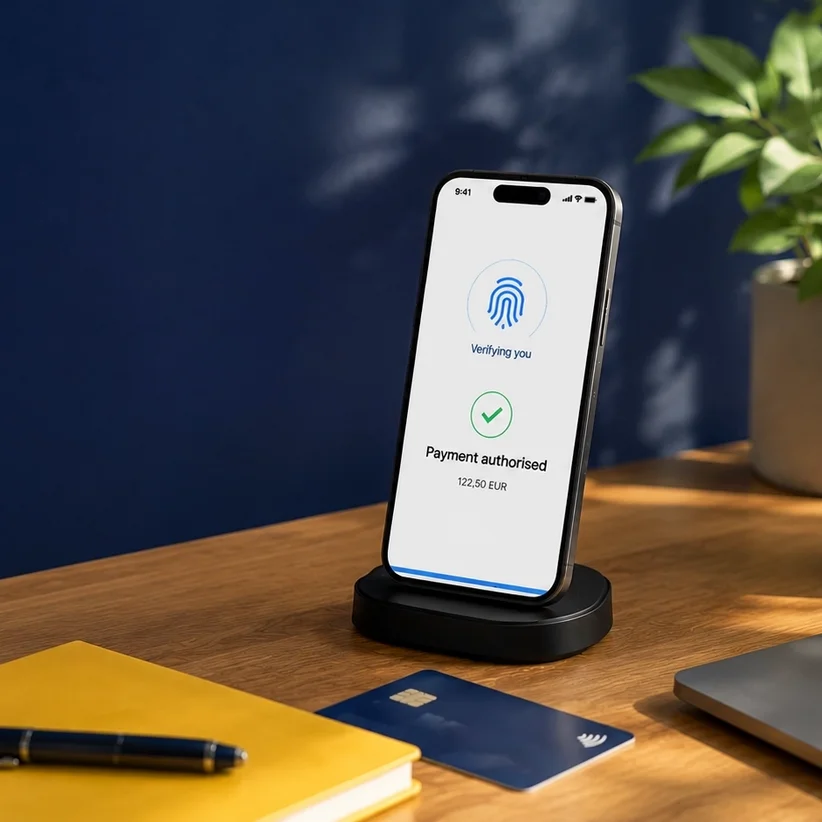
Connect strong identity and authentication to card payment journeys with proven 3-D Secure capabilities for issuers.

Combine trusted customer identity with payee verification to strengthen the moments where users authorise payments.


Recognition for brIDge comes as financial institutions move from digital identity planning to implementation.

<optional SUBTITLE> The impact of PSR and PSD3 on e-commerce payments: enhanced security, transparency and innovation

How EIDAS 2 transforms customer authentication and trust

Explore G+D Netcetera’s portfolio of secure digital payment solutions and discover how our 20 years of experience protecting over 1000 banks and card issuers.

Creating customer journeys that are convenient, efficient, and secure under eIDAS 2.0

AI agents are set to transform digital payments, but only as much as trust, security, and identity will allow

Banks don’t need to become superapps to stay relevant. Discover why focusing on identity could be the key to long-term success.

Secure onboarding customer journey for banks, financial services and insurance institutions