
G+D Netcetera's brIDge Named Gold Winner in Juniper Research's Best Digital Identity Platform Category
Recognition for brIDge comes as financial institutions move from digital identity planning to implementation.

Be wallet-ready now. One interface to accept all EUDI Wallets, notified eIDs, and verifiable credentials as they rollout across Europe.
No more selfies or guesswork. brIDge verifies cryptographically signed claims for certainty - cutting fraud and false positives while boosting conversion.
Connect once, accept many - wallets, notified eID schemes, electronic documents and other identity providers. Simplify IT, reduce cost, and stay compliant.
Built by G+D Netcetera. Trusted by global banks and payment ecosystems as a leader in secure wallets and digital identity.

Less friction - instant, paperless verification

Fewer exceptions and manual checks

Built to expand as wallets and standards evolve

eIDAS 2.0 ready, aligned with EU pilots
The result - Faster onboarding, higher conversion, fewer manual reviews, and a clear audit trail
G+D Netcetera’s Digital Identity solutions help you move beyond fragmented logins and outdated verification. We deliver what matters most – higher conversion through frictionless onboarding, stronger security through cryptographic proofs, and future-proof compliance with EU standards.
By combining user-friendly journeys with enterprise-grade assurance, we make it easy to build trusted relationships that scale, without sacrificing agility or customer experience.
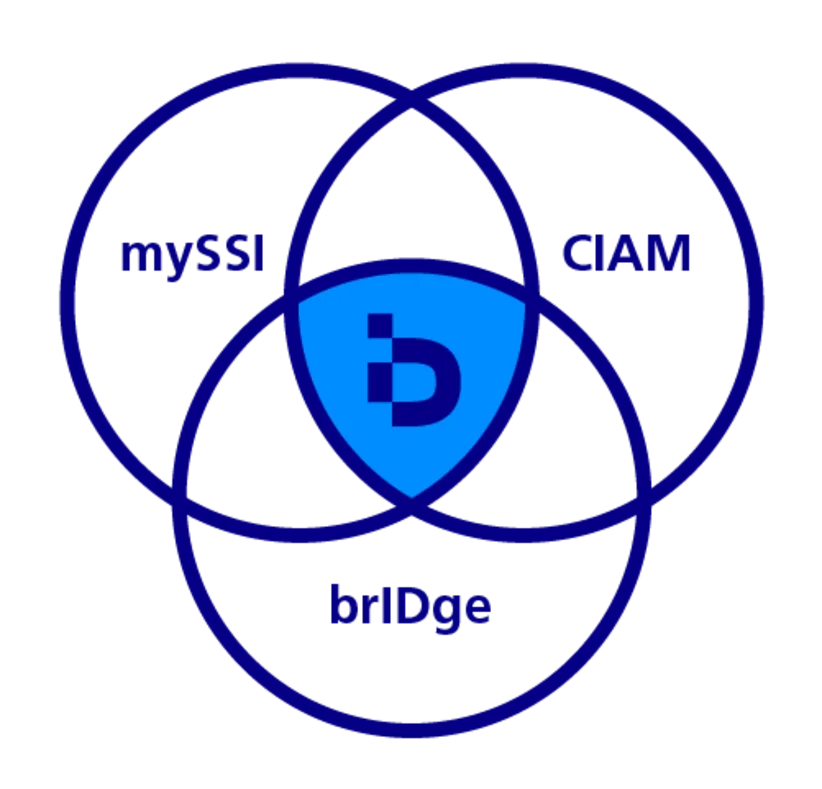
It’s more. brIDge validates cryptographic proofs, normalizes trust signals (LoA), orchestrates fallbacks, and provides policy-driven routing and auditability.
Wallets deliver verified attributes; your KYC still sets acceptance policies. brIDge simplifies the “accept and verify” step and feeds normalized results into your KYC/AML stack.
If the user doesn’t have a wallet, or doesn’t have the PID issued to their wallet, brIDge offers the possibility of signing up with a physical ID document through NFC or other options depending on the use case and regulation requirements.
G+D Netcetera keeps the data secure by having it transported in secured and encrypted channels and stored until consumed in a encrypted storage. Relying parties will only receive the information that they request, and that the user gives consent to share. Basically, complying with GDPR and eIDAS2.0 requirements.

Recognition for brIDge comes as financial institutions move from digital identity planning to implementation.

<optional SUBTITLE> The impact of PSR and PSD3 on e-commerce payments: enhanced security, transparency and innovation

How EIDAS 2 transforms customer authentication and trust

Explore G+D Netcetera’s portfolio of secure digital payment solutions and discover how our 20 years of experience protecting over 1000 banks and card issuers.

Creating customer journeys that are convenient, efficient, and secure under eIDAS 2.0

AI agents are set to transform digital payments, but only as much as trust, security, and identity will allow

Banks don’t need to become superapps to stay relevant. Discover why focusing on identity could be the key to long-term success.

Secure onboarding customer journey for banks, financial services and insurance institutions